Louis–Paul relationship
Interview with the VampireThe Louis–Paul relationship is the defining bond of Louis’s mortal life and the deepest source of guilt in his later existence. Louis, the practical head of his family in Louisiana, loves and protects his younger brother Paul, whose intense religious devotion and reported visions Louis cannot accept. Paul’s death follows their bitter disagreement, leaving Louis convinced that his contempt helped cause it; even after becoming a vampire, he carries Paul’s memory into the very place where his transformation is completed.
Family Bond and Opposing Natures
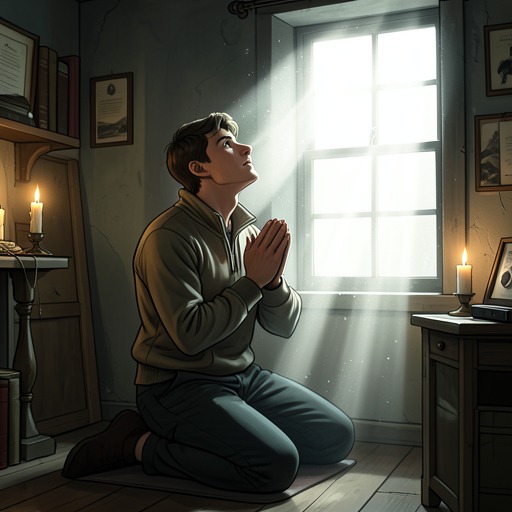
Louis and Paul live with their mother and sister on the family’s indigo plantations along the Mississippi River near New Orleans. Their life is both luxurious and primitive, filled with imported furniture, a harpsichord, open French windows, and the sounds of the surrounding swamp. Louis embraces this world, while Paul rejects nearly all of it. He dislikes visits, parties, and social life, and withdraws from such activities before he is twelve. Prayer, a leatherbound collection of the lives of the saints, and the religious solitude of an oratory matter more to him than the family’s material or social existence.
Their differences do not initially destroy their intimacy. After their father’s death, Louis becomes head of the family and repeatedly defends Paul from their mother and sister, who want to take him visiting and bring him to New Orleans parties. Louis builds Paul an oratory away from the main house, enabling him to spend most of his days there. He also visits Paul in the garden beside it, speaking about the practical burdens of his life: the slaves, the overseer, the weather, and his brokers. Paul listens with a few sympathetic comments, and Louis leaves with the impression that his brother has somehow resolved every difficulty. Louis therefore promises himself that, however painful the loss might be, he will allow Paul to enter the priesthood when the time comes.
The relationship is marked by an irony Louis recognizes only afterward. Paul appears extraordinary in his sanctity and inwardness, while Louis considers himself entirely ordinary. Yet Louis’s ordinary identity includes confidence in his own judgment and authority over the family. His love for Paul is genuine, but it is also protective and possessive: he can make room for Paul’s religious vocation only so long as Paul remains within a form of difference Louis believes he understands.
Visions, Disbelief, and Conflict
When Paul is fifteen, he begins to report visions of Saint Dominic and the Blessed Virgin Mary in the oratory. He stops taking meals, kneels for long periods before the altar, neglects the candles and altar cloths, and leaves the building unswept. On one occasion Louis watches him for an hour as he remains motionless on his knees with his arms outstretched in the form of a cross. The enslaved people on the plantation think Paul mad; Louis initially explains the behavior as excessive religious zeal.
Paul’s visions become a direct demand upon Louis’s authority. He says that the saints have ordered him to sell all the family’s property in Louisiana, including the plantations and the New Orleans town houses, and to use the money for religious work in France. Paul believes that he is destined to become a major religious leader, restore the country’s former fervor, and resist atheism and the Revolution. Because Paul has no independent money, the command requires Louis to surrender the family’s wealth and reorganize everyone’s life around his brother’s revelation.
Louis refuses. He laughs at Paul, calls the visions the product of an immature and morbid mind, and threatens to have the oratory torn down and send Paul to school in New Orleans. His rejection is not simple skepticism. Louis later identifies it as a form of vicious egotism: he can believe in saints who are strangers, but he cannot believe that his own brother might be a saint or genuinely receive visions. The closeness of the relationship becomes the barrier to belief. Paul is not allowed the spiritual authority that Louis would have granted to an unknown holy man.
Their argument ends with Paul leaving Louis’s room crazed and grieving. Within minutes, Paul walks through the French doors onto the gallery, stands at the head of the brick stairs, and falls to his death. His neck is broken. Two servants report that Paul looked upward as if he had seen something in the air, then moved forward as though swept by a wind. Louis did not see the fall because he had turned away from the window, but the argument had been heard by the servants and by his mother. The household therefore treats Louis as morally responsible even without directly accusing him.
Death, Guilt, and the Haunted Plantation
After Paul’s death, Louis refuses to explain the argument or disclose the visions. He insists that it had been only a discussion and that he was not on the gallery when Paul fell, but the family, the parish, and the police regard his silence with suspicion. His mother tells others that something horrible happened in Louis’s room. His sister withdraws rather than face the funeral, while Louis sits beside Paul’s coffin for two days, staring at the damaged shape of his brother’s head until he nearly faints.
Louis’s grief is inseparable from self-accusation. He repeatedly thinks that he killed Paul because he laughed at him, refused to believe him, and failed to show him kindness. He does not resolve the question of whether Paul truly saw supernatural visions. Even long afterward, he maintains that he does not know whether the visions were real, but he knows that Paul never wavered in his conviction. This uncertainty prevents the death from becoming a settled explanation. Paul may have been a visionary, a fanatic, or a victim of an interpretation Louis could not bear; Louis remains trapped between those possibilities.
Louis leases the plantations to an agency so that he will not have to see the house or oratory again, moves his mother and sister to a New Orleans town house, and tries to avoid the St. Louis Cemetery where Paul is buried. Avoidance fails. Drunk or sober, Louis imagines Paul’s body rotting in the coffin. He dreams that Paul is standing at the head of the stairs and that Louis is holding his arm, speaking kindly, urging him back into the bedroom, and finally telling him that he does believe him. The dream reverses the fatal argument: the words Louis withheld in life become the words he desperately tries to offer after death.
Paul’s death also destabilizes the plantation community. The enslaved people at Pointe du Lac begin speaking of seeing Paul’s ghost on the gallery, and the overseer cannot maintain order. The household’s social position deteriorates as people ask Louis’s sister offensive questions about the incident. Louis drinks constantly, stays away from home, walks alone through dark streets and alleys, passes out in cabarets, backs out of two duels through apathy, and wishes to be murdered. His grief becomes a condition of suspended self-destruction: he wants to die but lacks the courage to kill himself.
Vampiric Transformation and Paul’s Final Presence
Louis’s despair leads directly to the attack by the vampire Lestat. Lestat drains him almost to death outside his door, and Louis, feverish and expecting to die, confesses Paul’s visions and his own guilt to a priest. The priest tells him that Paul was possessed by the devil and that Louis had been speaking not to his brother but to the devil. This interpretation enrages Louis. He nearly kills the priest while wrecking the room, but the religious explanation does not release him from responsibility; instead, it intensifies the conflict between spiritual judgment and personal remorse.
Lestat later makes Louis witness the death of the overseer as proof of his commitment to vampirism. The transformation is therefore initiated through another death that Louis must watch, but Paul remains the moral standard against which Louis experiences it. Louis has no fear of his own death, yet he has a profound horror of taking another life, sharpened by Paul’s death and by the guilt surrounding it. He never accepts Lestat’s claim that killing can become amusing or emotionally weightless.
The final stage of Louis’s transformation occurs in Paul’s abandoned oratory. After refusing to share a bedroom with Lestat, Louis carries his coffin down the brick stairs before dawn, opens the oratory door through the roses and thorns that have nearly sealed it, and places the coffin before the prayer desk. Addressing Paul, Louis says that for the first time he feels nothing for his brother’s death and, at the same time, feels everything for him, experiencing the sorrow of the loss as though he had never felt it before. He then closes the blinds, bolts the door, enters the satin-lined coffin, and locks himself inside.
This act gives the relationship its final paradox. Louis does not become a vampire by escaping Paul’s memory; he completes the transformation in the brother’s sacred space. The statement that he feels nothing and everything at once marks not indifference but a new, overwhelming form of feeling. Vampirism separates Louis from mortal life while preserving the emotional wound that made mortal life unbearable. Paul’s oratory becomes both tomb and birthplace, the site where guilt, grief, and supernatural existence converge.
Lasting Meaning in Louis’s Later Life
Paul remains present in Louis’s later reflections even when the narrative turns toward Lestat, Claudia, and the search for other vampires. Louis’s continuing moral reluctance toward killing, his suspicion of easy religious explanations, and his fear of creating another immortal being all carry the pressure of the earlier loss. When Claudia later presses him to make another vampire, Louis’s resistance is connected to his belief that life in death is monstrous and to his fear of inflicting upon another person the kind of irreversible suffering he associates with Paul’s death and his own transformation.
The relationship also establishes Louis’s characteristic inability to separate love from responsibility. He loved Paul enough to defend his solitude, build his oratory, listen to his troubles, and imagine sacrificing his own comfort for his vocation. Yet he could not accept Paul’s independence when it challenged his judgment, and afterward he treated disbelief as a moral failure rather than a neutral error. Paul’s death thus becomes the first event through which Louis understands that affection does not absolve a person from harm. The brother he tried to protect becomes the dead person he believes he destroyed, and that contradiction remains the emotional origin of Louis’s vampiric conscience.